CAPACITY PARTNERSHIP WORKSHOP STRENGTHENS GENDER-RESPONSIVE AGRICULTURAL POLICY AND DATA SYSTEMS IN ODISHA
ABOUT THE WORKSHOP
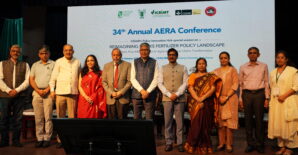
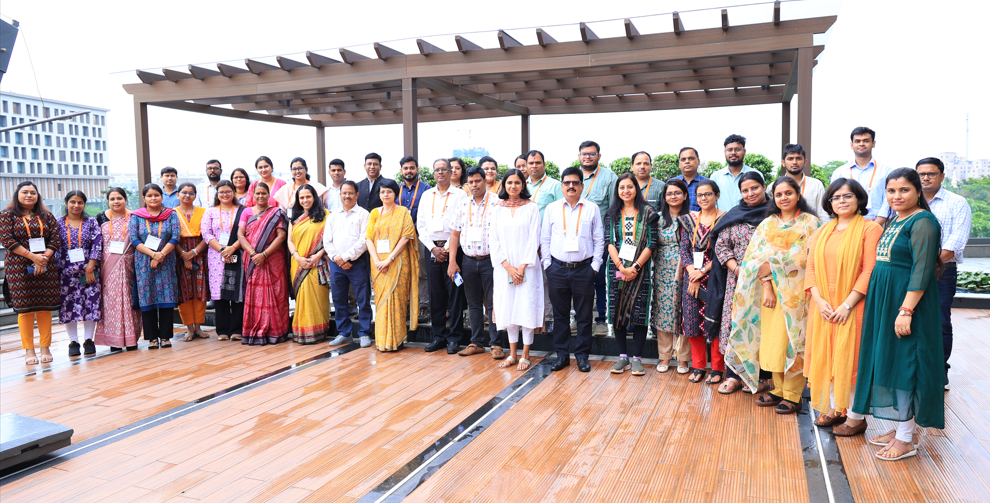
The Department of Agriculture & Farmers’ Empowerment (DA&FE), Government of Odisha, in collaboration with the International Food Policy Research Institute (IFPRI), organized a two-day Capacity Partnership Workshop on “Gender-Responsive Agricultural Policy and Data Systems” in Bhubaneswar on June 22–23, 2026.
Delivering the keynote address at the workshop, Sri Sachin Ramchandra Jadhav (IAS), Commissioner-cum-Secretary, Department of Agriculture & Farmers’ Empowerment, Government of Odisha, underscored that achieving gender equality in agriculture requires more than cultural change. He highlighted the need for a paradigm shift in policymaking and governance, supported by robust data systems and gender-responsive institutions that better recognize and reflect the contributions of women in agriculture.
The first day of the workshop focused on building conceptual and policy foundations for gender-responsive agricultural governance. Dr. Ranjita Puskur, introduced participants to the concepts of gender-neutral, gender-sensitive, gender-specific, and gender-transformative interventions through an interactive exercise that examined existing agricultural schemes. Building on this, Ms. Bhumika Mishra presented a landscape analysis of agricultural schemes across Odisha, exploring opportunities to strengthen their gender responsiveness within existing policy frameworks.
The day concluded with a session on Gender-Responsive Budgeting (GRB) led by Dr. Bhabesh Hazarika Economist at the National Institute of Public Finance and Policy. He highlighted that the objective of gender budgeting is not simply to increase spending on women, but to address existing gender gaps through better policy design and implementation. He also emphasized that the success of gender-responsive budgeting should be measured by development outcomes—such as increased women’s participation in the workforce—rather than expenditure alone, while underscoring the critical role of frontline workers in translating policies into impact.
The second day shifted the focus toward measuring outcomes through data. Dr. Pallavi Choudhuri, Senior Fellow and Deputy Director (NDIC) National Council of Applied Economic Research, presented evidence from nationally representative datasets to illustrate persistent gender disparities in digital and financial inclusion in Odisha. Drawing on insights from the e-Sankhyiki portal and other national surveys, she highlighted the importance of gender-disaggregated data in identifying gaps in access to credit, resources, and economic opportunities, and in informing more targeted policy interventions.
The workshop concluded with a hands-on training session led by the IFPRI team on the Annual Survey of Unincorporated Sector Enterprises (ASUSE) 2023–24 dataset. Participants received practical training in data management and analysis using STATA, covering data cleaning, descriptive analysis, and the generation of gender-disaggregated statistics. The session equipped participants with practical analytical skills to work with large-scale survey datasets and strengthened their capacity to generate evidence for more inclusive agricultural policymaking.
The workshop forms part of the broader Gender Responsive Cell (GRC) initiative, which seeks to strengthen institutional capacities for integrating gender considerations into agricultural policy and decision-making. By combining conceptual discussions with practical analytical training, the workshop reinforced the importance of evidence-based policymaking, robust data systems, and cross-institutional collaboration in advancing more equitable and inclusive agrifood systems in Odisha.