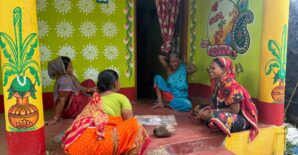

THE PARADOX OF A ‘WOMEN-FRIENDLY’ SECTOR
India's livestock sector is often celebrated as a pathway to women's economic empowerment, but new research by Dr. Anjani Kumar in the Business Standard, suggests the reality is more complicated. Drawing on nationally representative Time Use Survey data from 2019 and 2024, Dr. Kumar finds that while women's participation in livestock activities rose from 11% to 15% over the period, this has not translated into a meaningful reduction in unpaid domestic responsibilities. Rural women continue to spend nearly 286 minutes a day on household chores and caregiving — almost seven times more than men.
The analysis points to a "double burden": as livestock work becomes more market-oriented, it adds to women's existing responsibilities rather than redistributing labor within households. While women contribute substantial labor — feeding animals, collecting fodder, processing milk — men continue to dominate higher-value activities such as marketing, asset ownership, and access to credit.
The piece calls for moving beyond token references to women's empowerment — through stronger asset ownership rights, gender-responsive extension systems and cooperatives, labor-saving investments, and rural care infrastructure.
Read the full piece featured in the Business Standard here.
Banner image credit: IFPRI